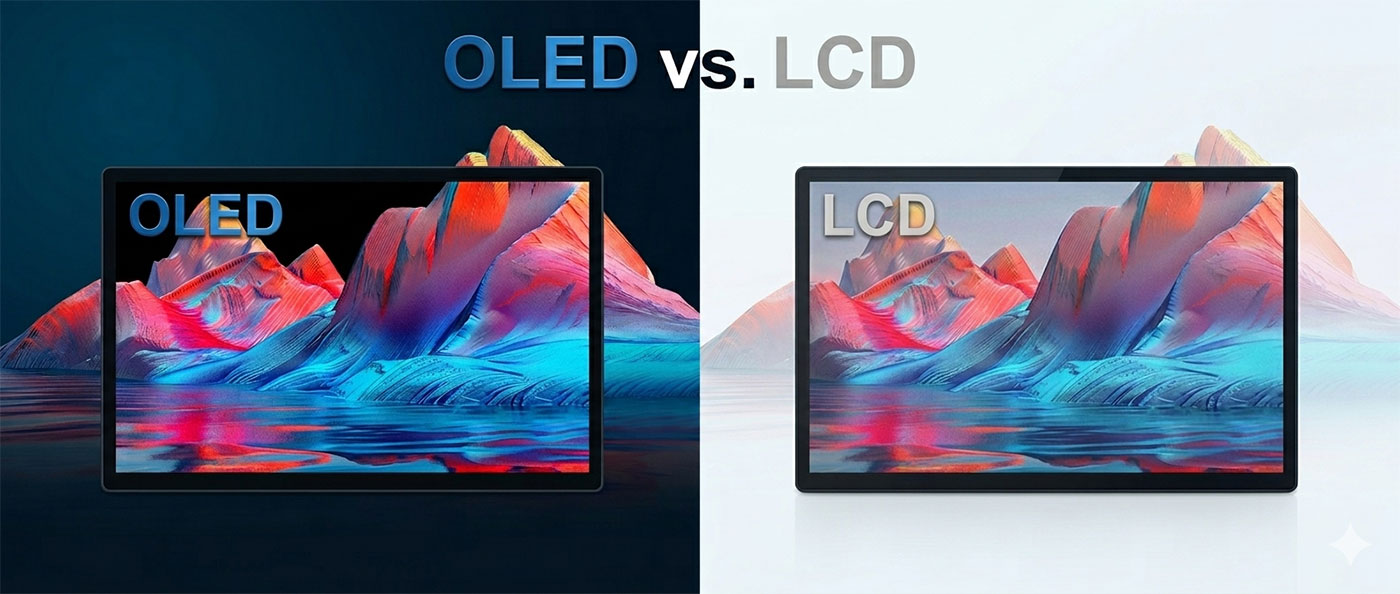
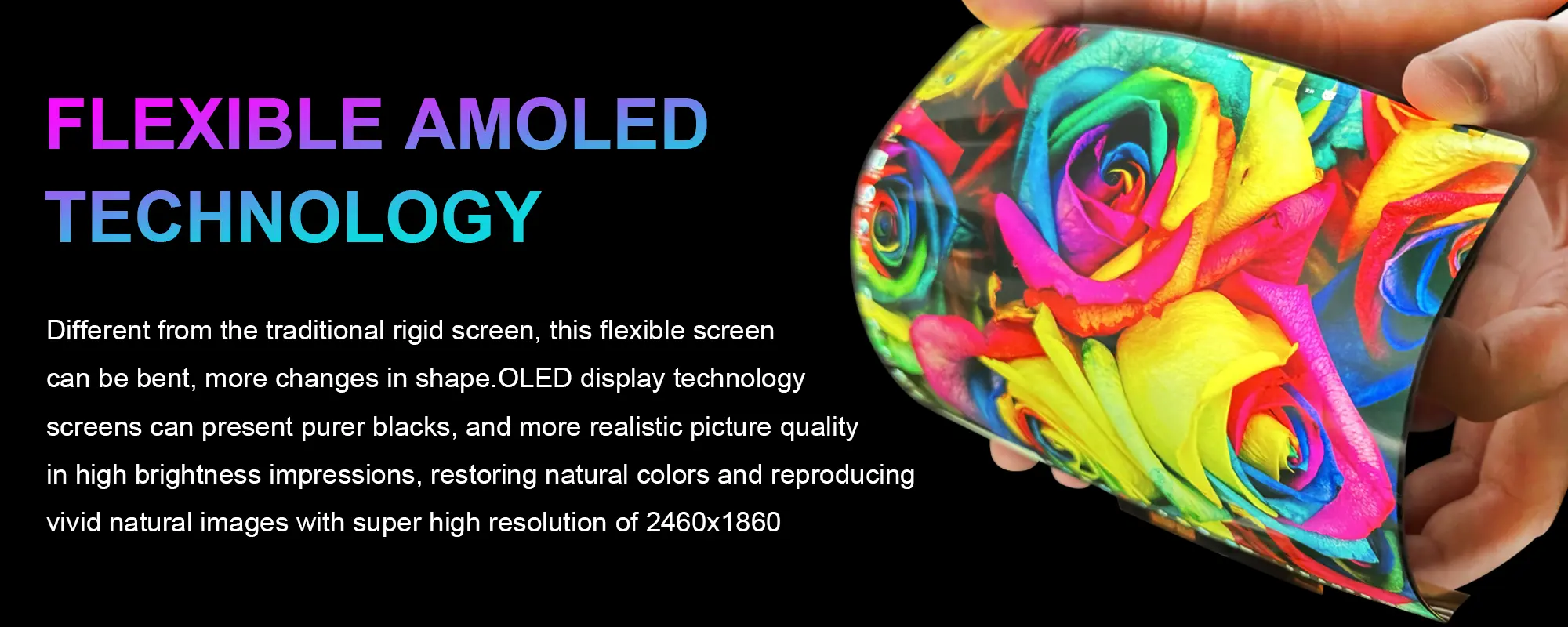
As display technology continues to evolve, OLED and LCD have emerged as the two leading solutions powering today’s devices. From industrial control systems to high-end consumer electronics, choosing the right display technology can directly impact product performance, user experience, and long-term reliability.
But which one is right for your application?
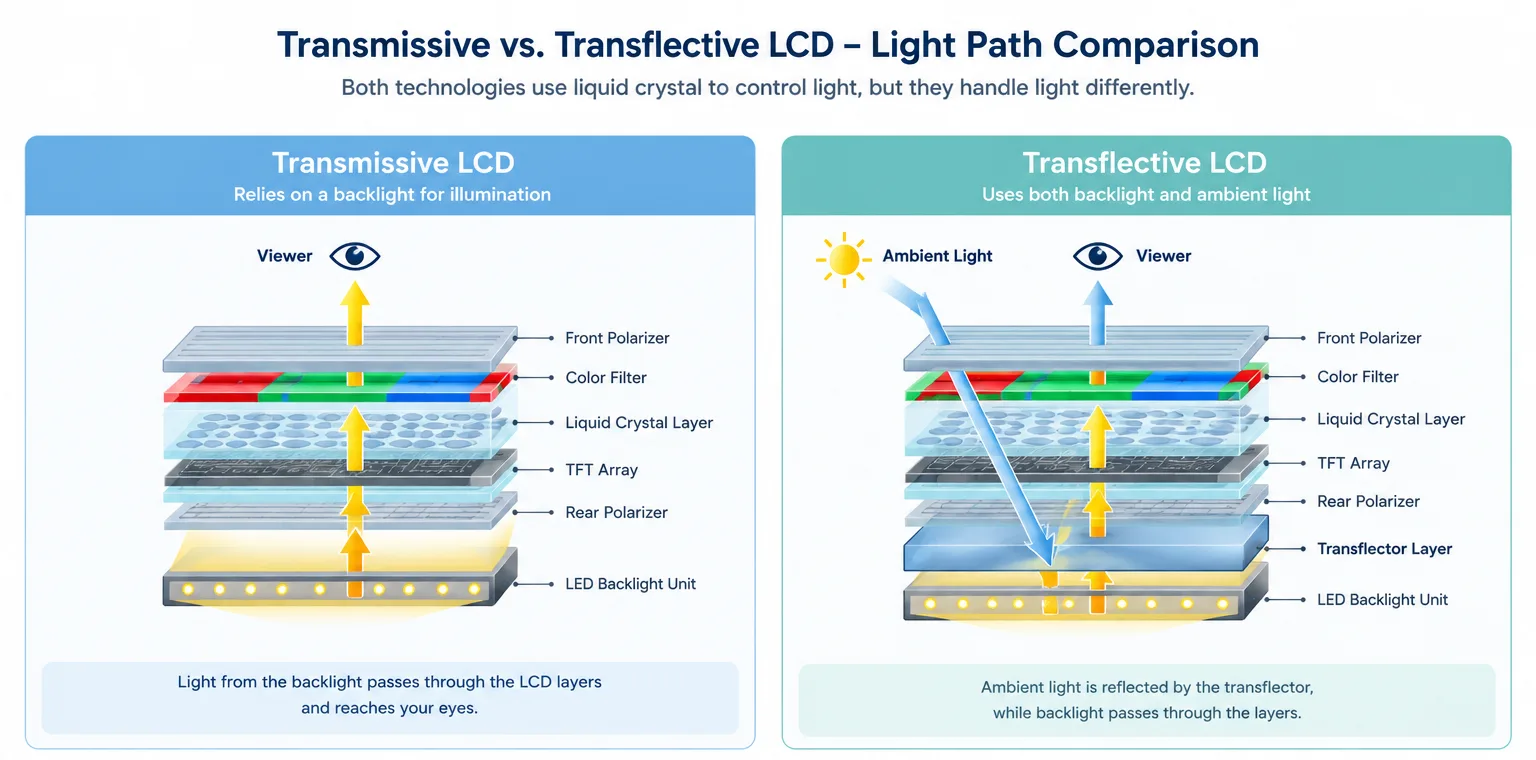
In this guide, we break down the core differences between OLED and LCD—from fundamental working principles to real-world performance in brightness, contrast, durability, and power efficiency. More importantly, we provide practical, application-driven recommendations to help engineers, product managers, and buyers make informed decisions with confidence.
| Feature | OLED | LCD |
|---|---|---|
| Light | Self-luminous | LED backlit panels |
| Contrast Ratio | Very high | Lower |
| Color Accuracy | Excellent | Moderate to good |
| Viewing Angles | Wide | Narrower |
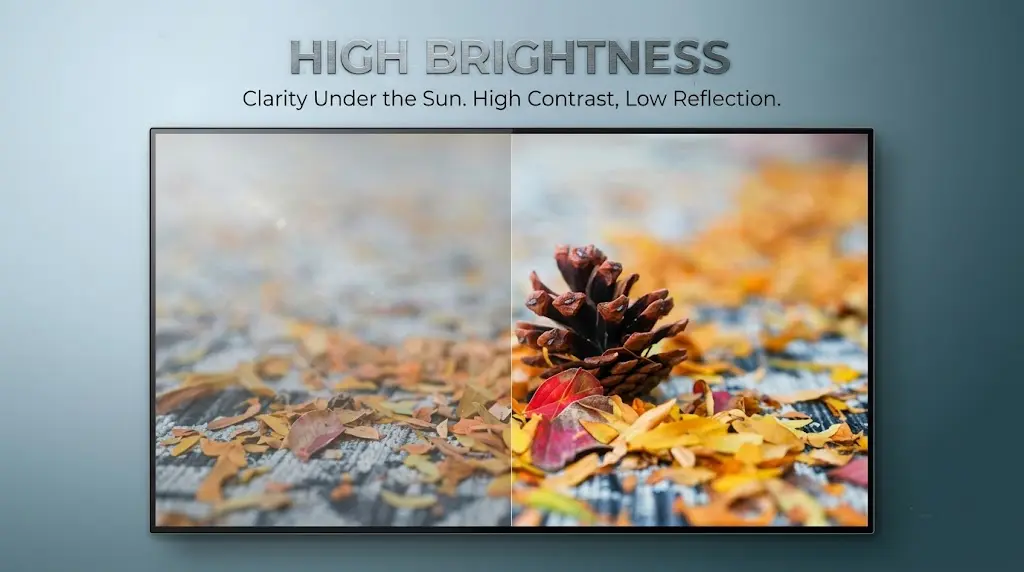
| Brightness | Lower | Higher |
| Longevity | Shorter | Longer |
| Thickness | Ultra-thin | Thicker due to backlighting |
| Cost | Higher | Lower |
Because of its lower cost, high brightness, and long lifespan, especially in industrial applications.