How to Choose the Right LCD Display Module for Your Project?
Selecting the right LCD display module is one of the most important decisions during product development. Whether you are designing industrial equipment, medical devices, smart home systems, handheld terminals, or automotive products, the display directly affects user experience, system reliability, and overall product performance.
Today’s market offers a wide range of LCD display solutions with different sizes, resolutions, brightness levels, touch technologies, and interface options. Choosing the most suitable display module can quickly become overwhelming—especially during the early stages of product design.
In this guide, we’ll walk you through the key factors to consider when selecting an LCD display module. By understanding your project requirements step by step, you can efficiently identify the best display solution for your application and reduce development risks.
1.Determine Your Application Requirements
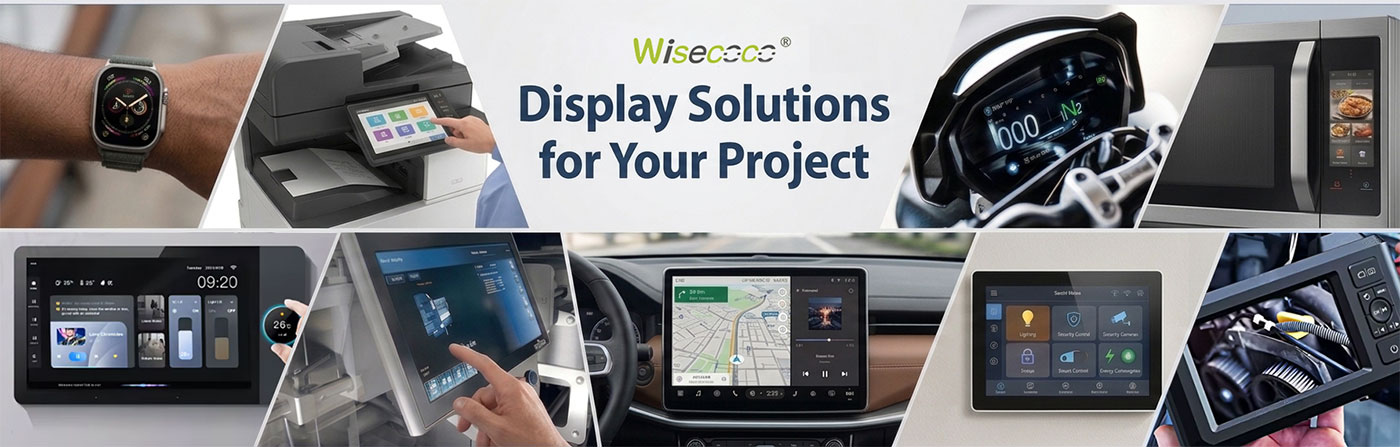
Before choosing an LCD display, you should first evaluate your application environment and functional requirements. Different industries require different display characteristics.
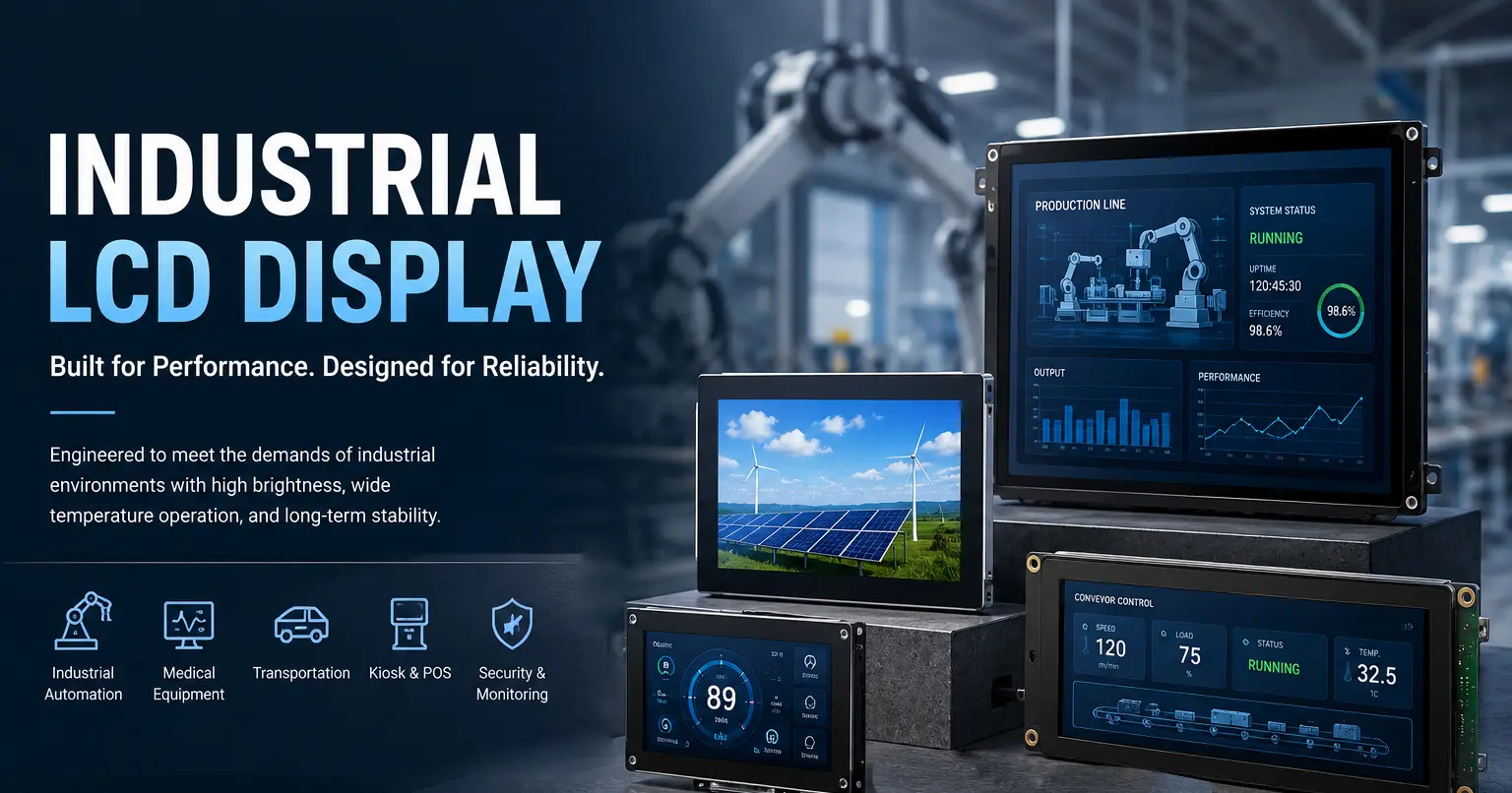
Industrial equipment → Durability, wide temperature range, sunlight readability,and Long product lifecycle support.
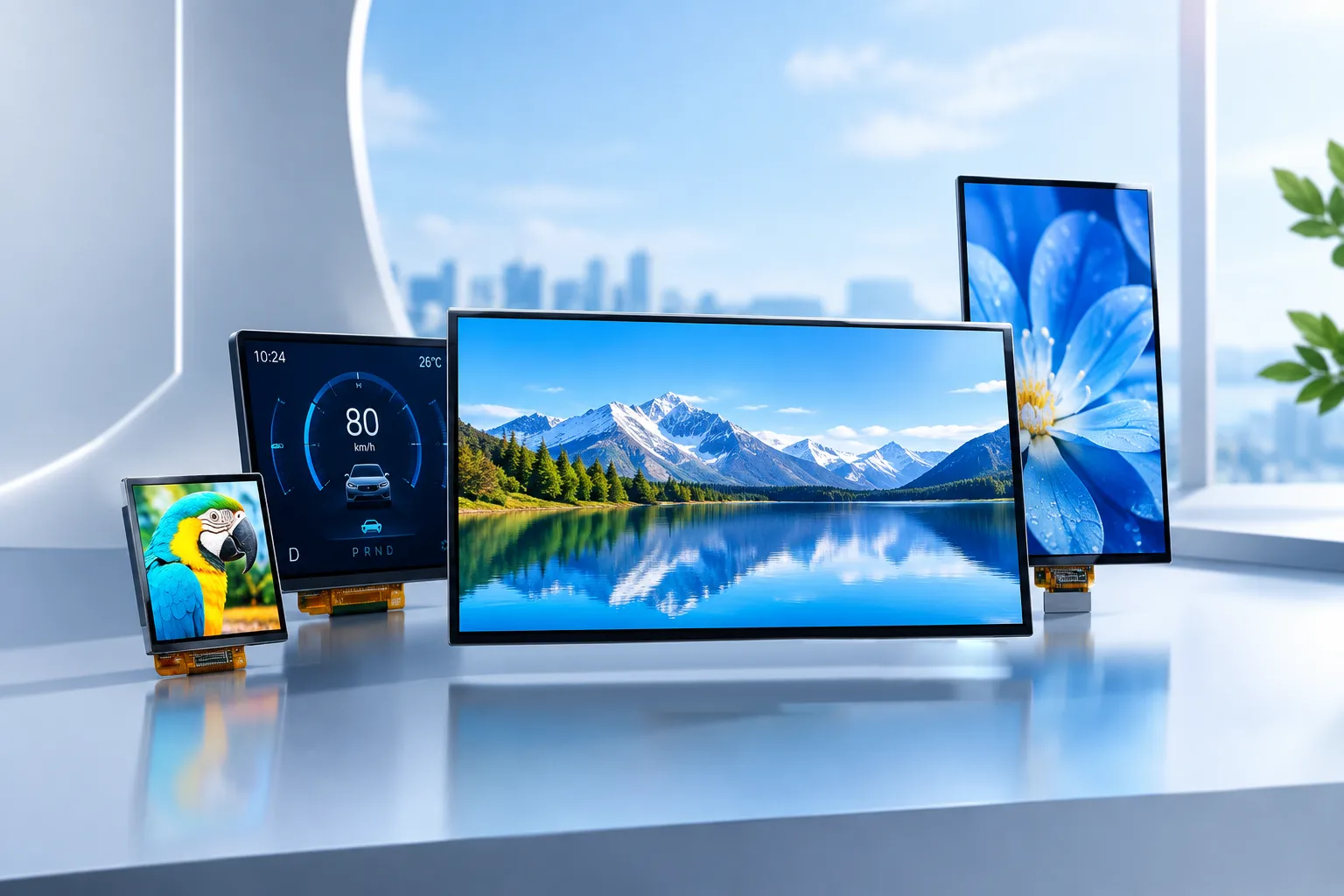
Smaller displays are suitable for compact smart devices, while larger displays are commonly used in industrial HMIs, medical systems, and self-service terminals.
Resolution determines the clarity and detail of the image.
For user interfaces, higher resolution means sharper text and Better image detail.
3.Consider Brightness and Viewing Angle
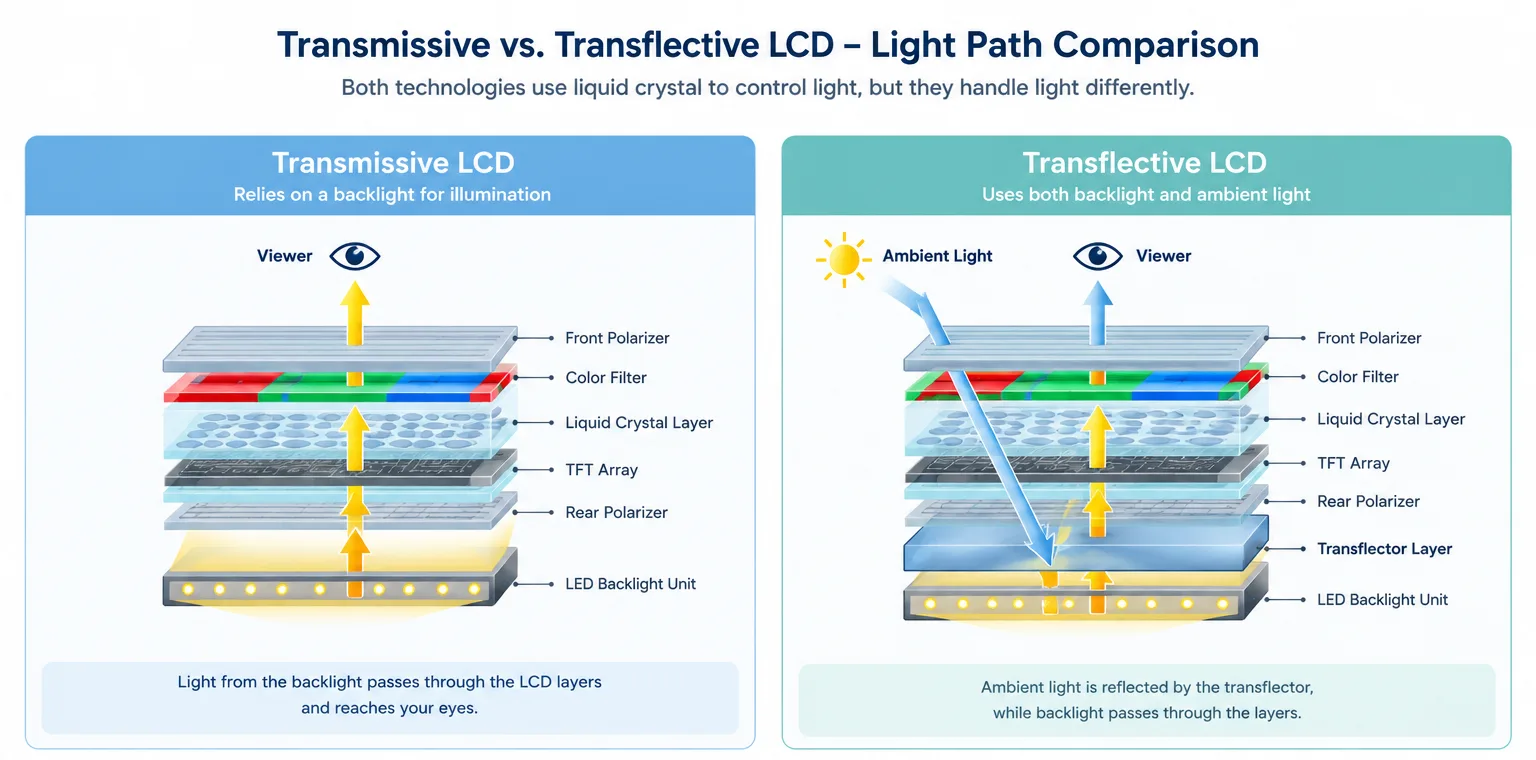
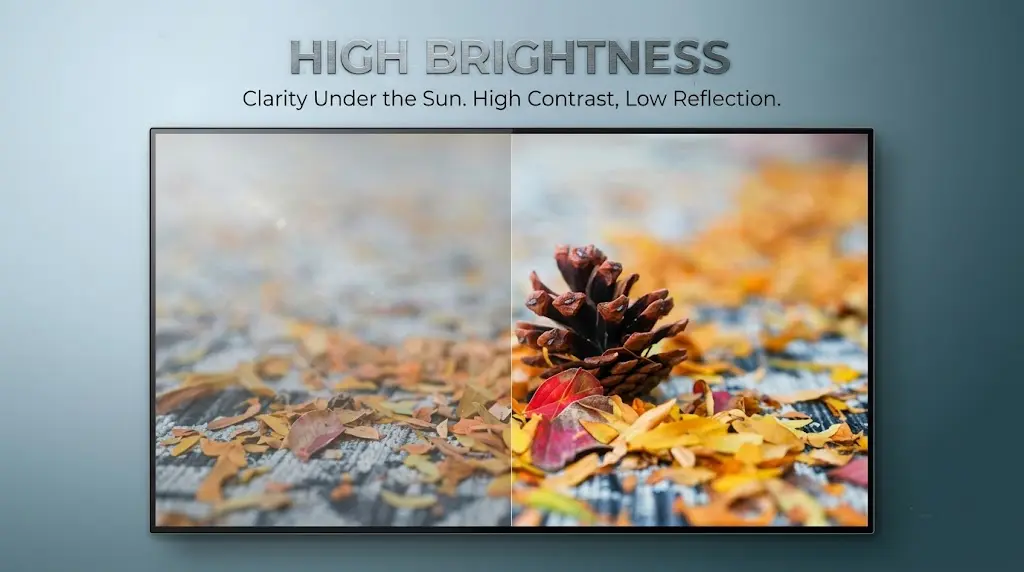
Brightness (nits): Brightness is especially important in environments with strong ambient light or direct sunlight exposure.
For outdoor projects, sunlight-readable TFT LCD displays are recommended.
Technologies that improve visibility include:
High-brightness LED backlights
Optical bonding
Anti-glare coating
Anti-reflective glass
IPS technology
These features help improve readability and reduce reflections.
Viewing angle: Viewing angle affects how clearly users can see the screen from different positions.IPS LCDs provide superior wide-angle performance compared to TN panels.
4. Choose the Right Touchscreen Technology
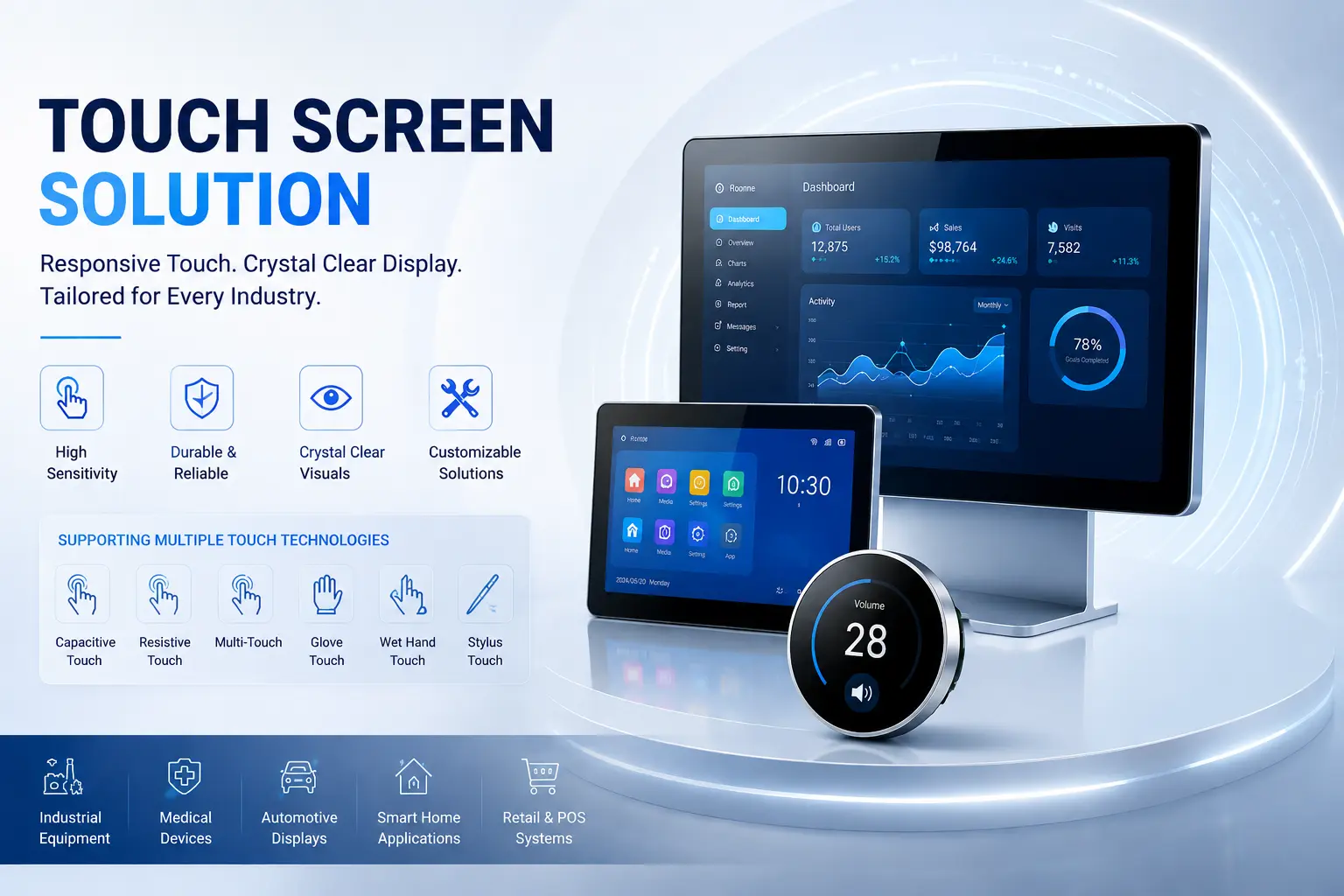
Touch functionality is now essential for many modern devices.The two most common touchscreen types are capacitive and resistive touch.
Resistive touch panel (RTP) → that registers input based on physical pressure rather than electrical conductivity, works with gloves, stylus, or harsh environments.
Capacitive touch panel (CTP)→ uses the electrical conductivity of the human body to register input.Supports modern multi-touch, smooth user experience.
Many LCD modules are available with integrated touch panels, helping simplify product assembly and reduce development complexity.
5.Choose the Right Interface
The display interface determines communication between the display and the mainboard.
Different interfaces are suitable for different applications:
Interface
Typical Applications
SPI
Small embedded systems
RGB
Standard TFT displays
LVDS
Industrial equipment
MIPI
High-speed smart devices
HDMI
Multimedia systems
UART
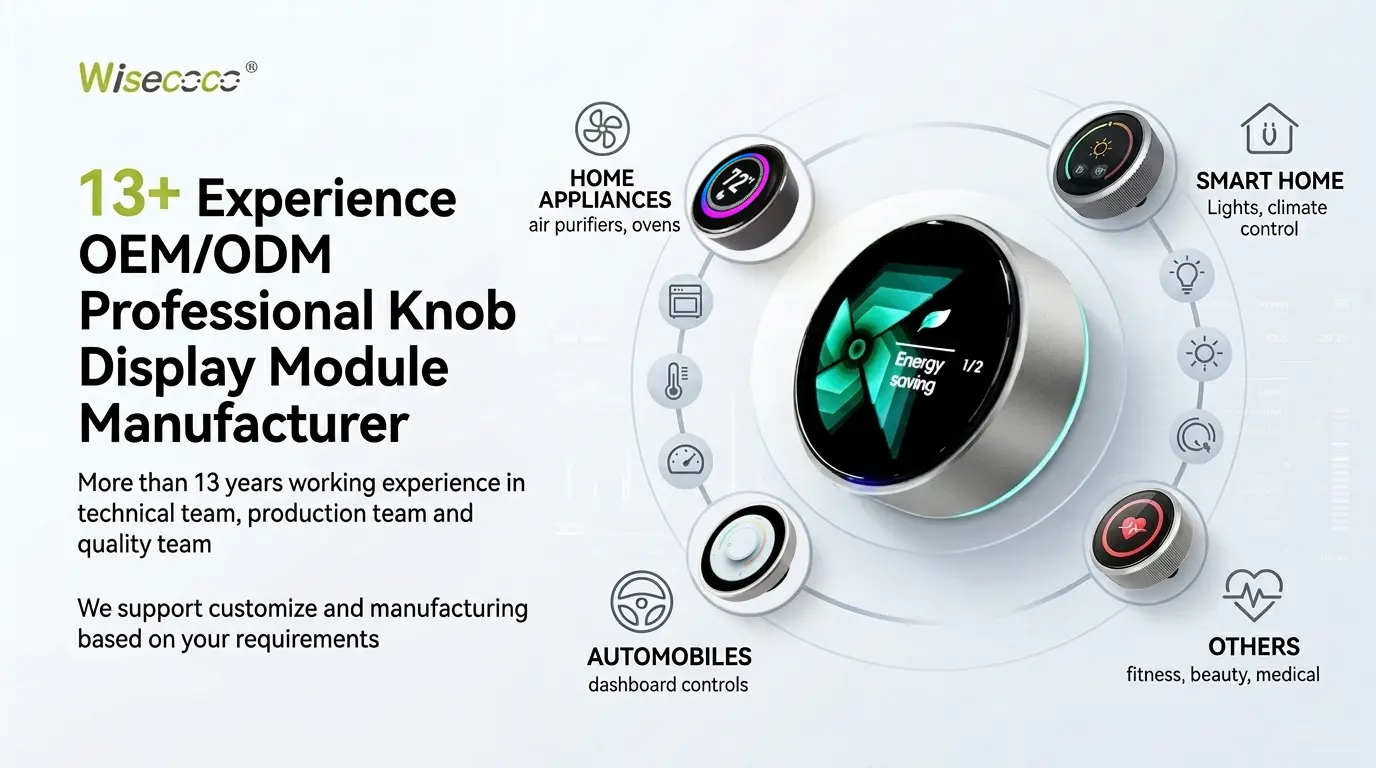
Smart knob displays
Choosing the right interface helps simplify hardware integration and software development.
Professional display solution providers can help optimize performance and productivity.Provide long-term supply guarantees for industrial projects.
8.Why Choosing the Right Display Supplier Matters
The display supplier plays a critical role in project success.
An experienced TFT LCD manufacturer can provide:
Engineering support
Long-term supply stability
Fast customization
OEM/ODM services
Quality assurance
Technical integration support
Working with a professional LCD display supplier can significantly improve project efficiency and long-term product reliability
Conclusion
Selecting the right LCD display requires striking a balance between size, resolution, brightness, connectivity, and durability based on your project’s specific needs. By carefully evaluating these factors and partnering with a reliable custom LCD manufacturer, you can ensure your device delivers the best possible user experience.
Need help selecting the best LCD display for your project? Contact ustoday for expert guidance and factory-direct custom solutions.
FAQ
Q1: What is the best LCD display for industrial use?
A: IPS TFT LCD displays with high brightness and wide temperature support are recommended.
Q2: What brightness is needed for outdoor LCD displays?
A: At least 1000 nits is recommended for direct sunlight environments.
Q3: What interface is best for TFT LCD modules?
A: It depends on application, commonly SPI, RGB, LVDS, or MIPI.